Material, light and proportion.
Explore the types of finishes and spaces that inform our curtain, voile, Roman blind and commercial work. Every real project is specified around its own dimensions, material choices and practical requirements.
The examples on this page are intended to communicate product and interior direction rather than represent named client case studies.
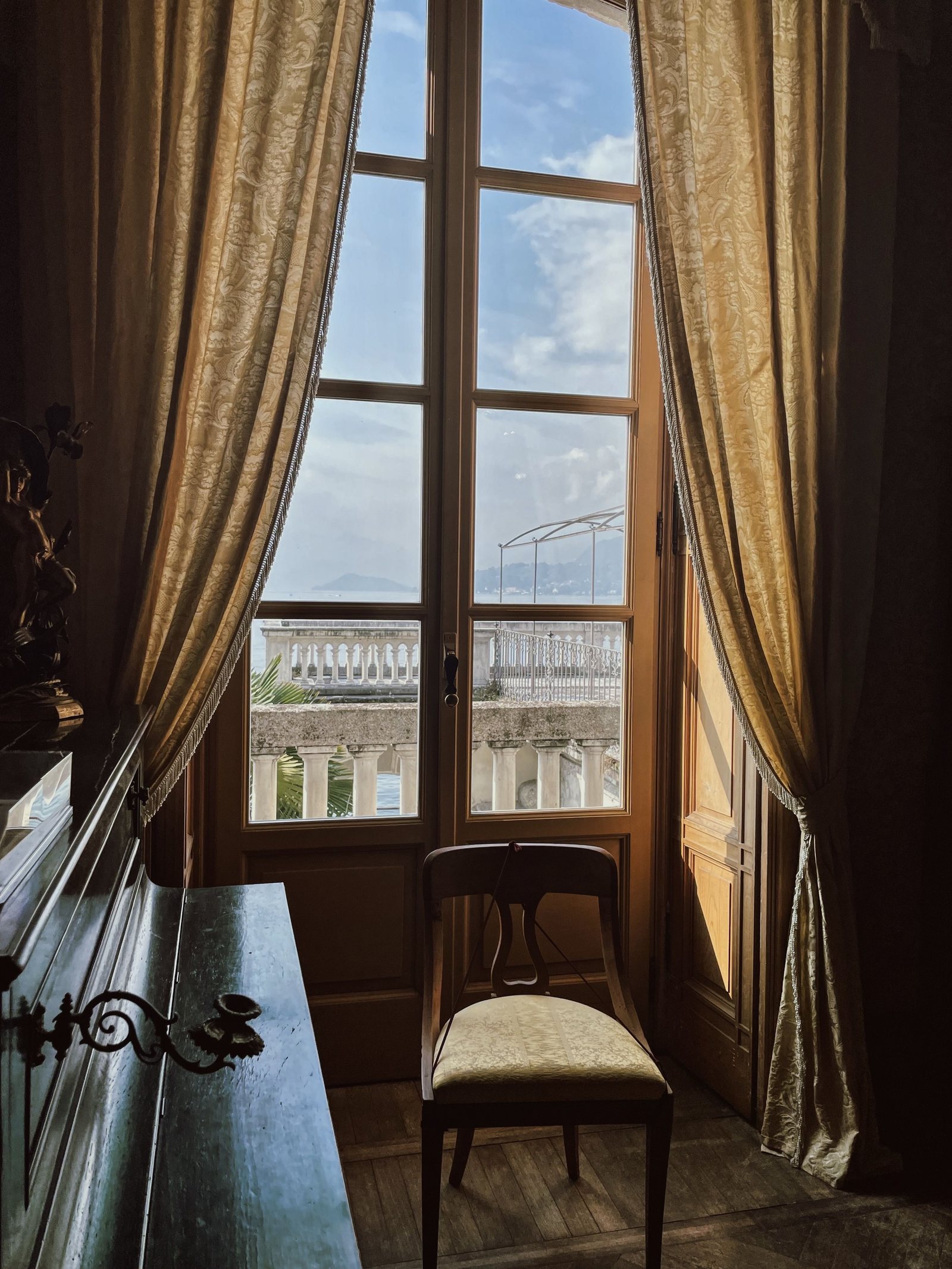
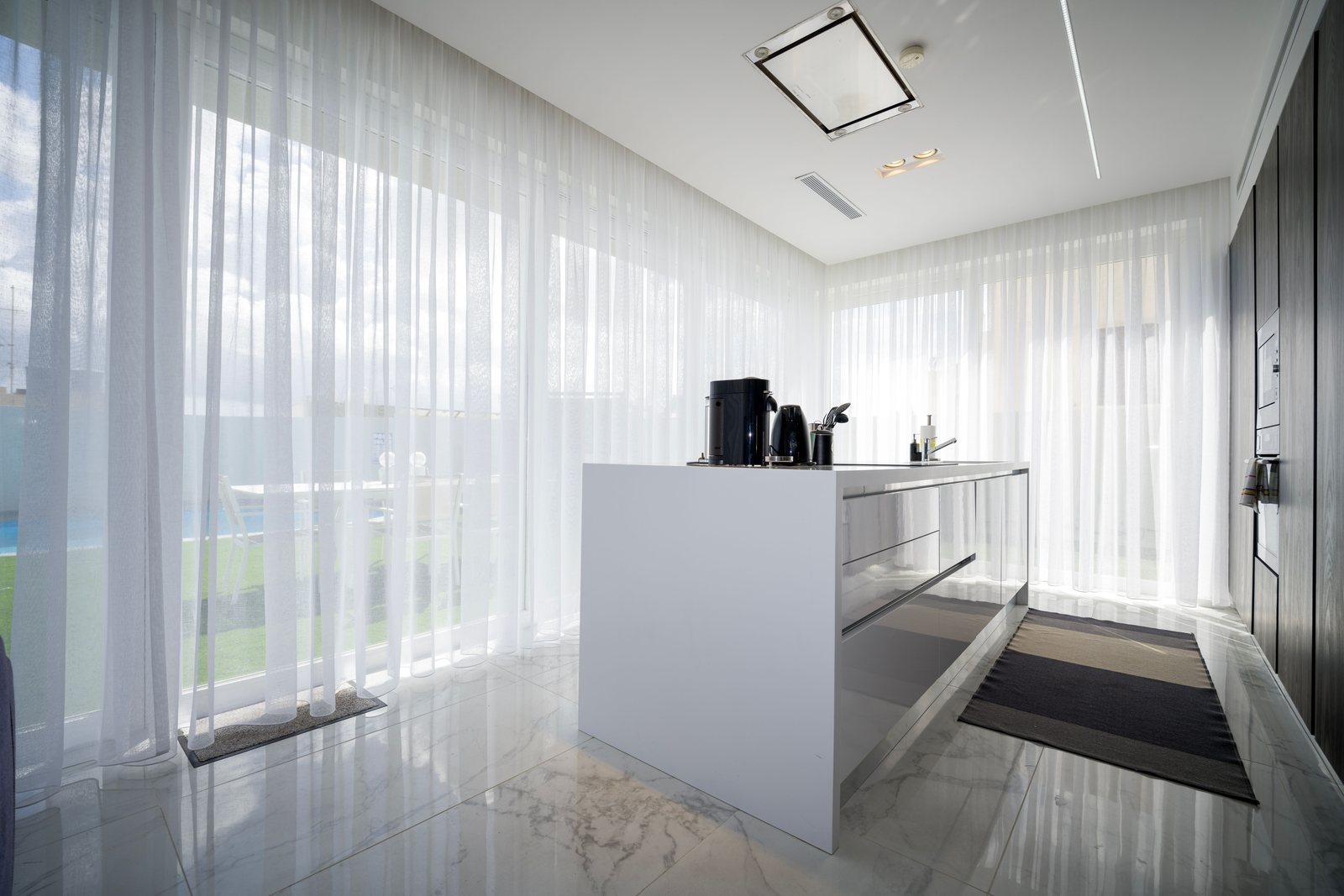
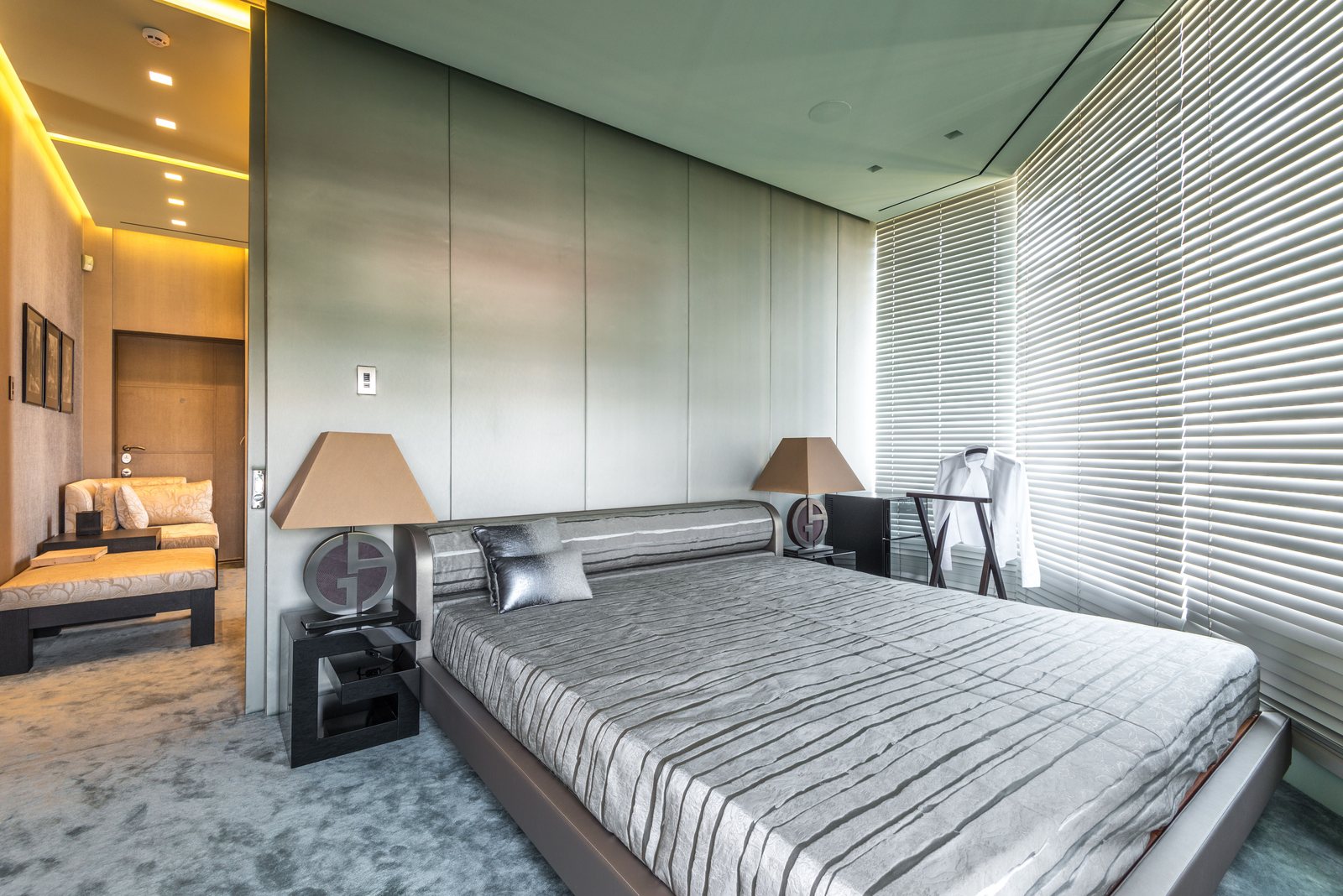
A treatment should belong to the room.
The best starting point is usually the architecture: window height, recess depth, available stack-back, daylight, furniture position and how the room will be used. Those details influence whether a curtain, voile or Roman blind is the right treatment and how it should be proportioned.
Fabric is then considered for more than colour alone. Handle, weight, transparency, pattern scale, lining and the way the material falls can all change the character of the finished window.
Hardware completes that relationship. Tracks and poles need to work mechanically, but they also need to sit comfortably within the visual language of the room.
Bring us the room, window or project brief.
We can help turn it into a practical made-to-measure specification.